
Budget & Monthly Reports
Your Schools, Your Dollars:
Tracking Your Investment in Lebanon Students

The District’s budget is more than numbers on a page—it is a year-round process that plans for needs, responds to change, and directs resources to classrooms and student opportunities. This page breaks down how our District plans, monitors, and adjusts its budget, and how the community plays a role along the way.
Budget Breakdown: The Mechanics of the District's Budget
Understanding the mechanics of the District’s budget starts with one key idea: it is a process, not an event. Planning begins months before a new fiscal year and continues as funding estimates, enrollment trends, and student needs become clearer. While the District adopts an annual budget, that plan is monitored and refined throughout the year to ensure resources remain aligned with classrooms, programs, and responsible financial stewardship.
MYTH: The budget is created once a year and is "set in stone" once the school year starts.
REALITY: The budget is a "living document." While we set an annual plan, we provide Finanacial Forecasts (in February and August) that allow us to adjust our expectations as state funding, local values, and costs shift.
.png)
Planning The Budget
Budget planning begins well before a new fiscal year and is guided by both legal requirements and thoughtful review of district needs. One of the first steps in this process is the development of the TAX BUDGET, which is required by Ohio law and is shared publicly during the District’s Organizational Board meeting. This public presentation gives community members an opportunity to learn about the plan, ask questions, and provide input as early planning begins.
Forecasting is a planning tool used throughout the budget process to help the District look ahead and prepare responsibly. It informs the development of the Tax Budget and helps monitor trends and changes in the District’s primary revenue sources, such as state funding and local taxes, as well as major expenses like staffing, benefits, transportation, and utilities. By regularly reviewing this information, the District can better understand emerging pressures, anticipate future needs, and have informed discussions about long-term sustainability and potential new funding.
Financial Forecasts
During the planning phase of the budget cycle, the District also engages in early planning conversations focused on staffing and programs.
Enrollment trends, staffing needs, and instructional priorities are reviewed with staff, building administrators, and Board members to understand how student needs may change in the year ahead.
These discussions help identify potential areas of growth or adjustment and ensures planning is thoughtful, transparent, and informed by community input.
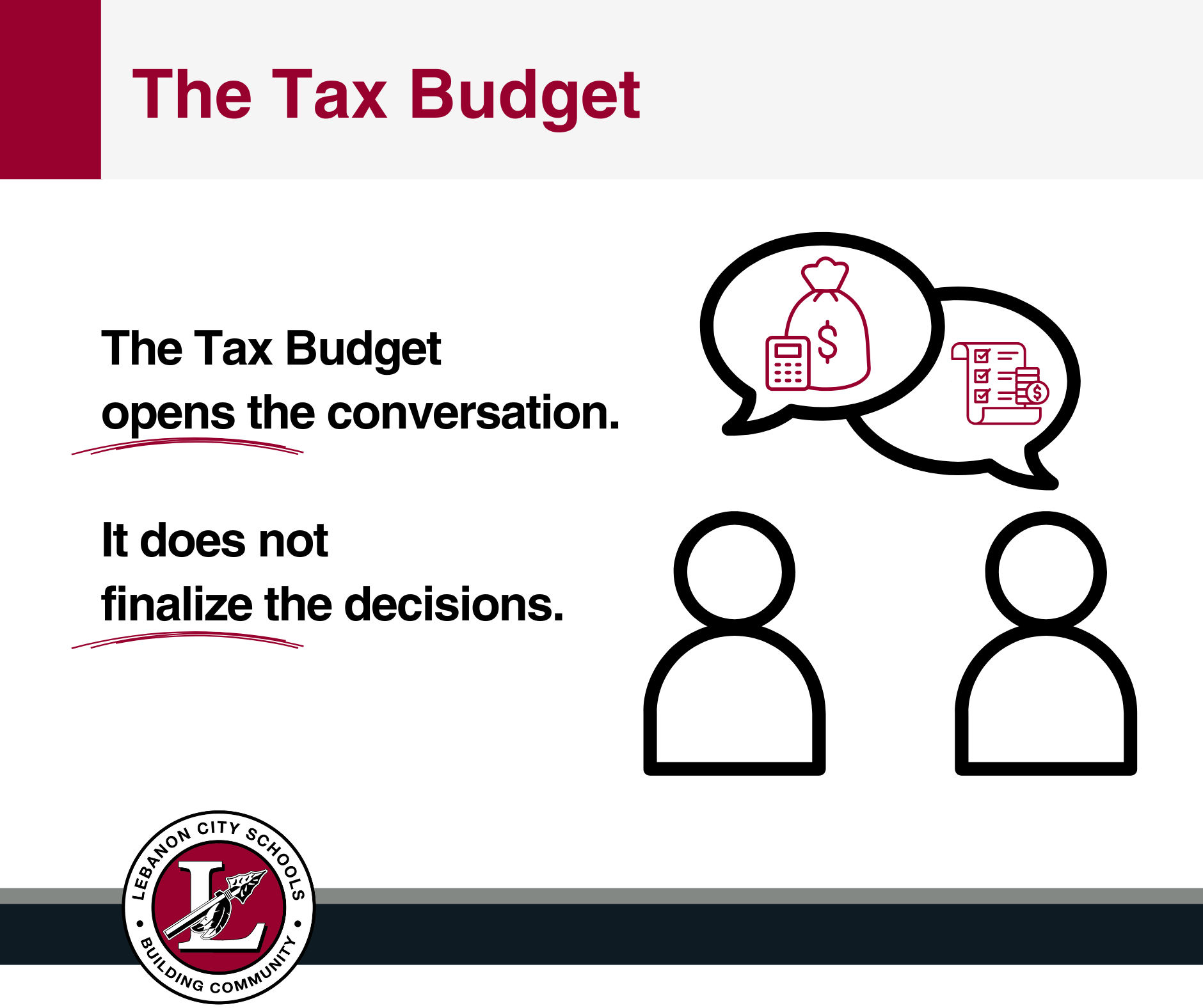
As a planning document, the Tax Budget outlines estimated revenues and expenses and establishes limits for property tax collection, but it is not a final spending plan. Instead, it provides a framework for forecasting and responsible decision-making.
Tax Budget Approved by the Board of Education
Presentation: Public Hearing of the Tax Budget
MYTH: The public has no opportunity to provide input for the District's budget.
REALITY: Community input is built into the budget process through public Board meetings and opportunities to ask questions and share priorities with district leadership throughout the year.
Monthly Treasurer's Reports Approved by the Board of Education
Current School Year |
Previous Year |
|
|
|
||
|
|
||
| December 2025 Report |
|
|
| November 2025 Report |
|
|
| October 2025 Report |
|
|
| September 2025 Report |
|
|
|
|
 (1).png)
Inside the Numbers
The District’s budget is organized into different funds, each created for a specific purpose and tracked separately. This structure helps ensure transparency, accountability, and that resources are used as intended.
Throughout the year, the Treasurer’s Office monitors the budget by tracking revenues and expenses and comparing what was planned to what is actually happening, while watching for changes that could affect the District’s finances. This regular review helps the District stay on track and address issues early, rather than waiting until the end of the year.
The Board of Education oversees the budget by reviewing financial reports at public meetings, asking questions about trends or changes, and discussing how spending decisions align with district priorities. Through this regular review and public discussion, the Board helps ensure financial decisions are thoughtful, transparent, and made with long-term stability in mind.
MYTH: Money received by the School District can be spent any way the district wants.
REALITY - School funds are not interchangeable parts. the dollars are restricted to specific uses and must be tracked and spent accordingly.
Reflecting on Results: How Resources Support Students
Reflecting on results means understanding how well current resources keep pace with changing needs. Over time, rising costs such as wages, benefits, transportation, utilities, and instructional materials can place pressure on the budget, even when programs remain stable. At the same time, student needs continue to evolve. Reviewing these trends helps the District understand where existing resources are stretched and what challenges emerged during the year.
Building on that understanding, the District reviews how resources were used, how effectively they supported students and the District’s Strategic Plan, and where adjustments may be needed. Looking at what changed over time and how pressures were addressed helps identify lessons that inform future planning and guide the next cycle of budget decisions.
MYTH - The district’s ‘Cash Balance’ is just extra money sitting around that should be used to lower taxes.
REALITY - School revenue arrives at specific times during the year, while expenses occur year-round. The cash balance allows the District to operate smoothly between revenue collections, ensuring bills are paid and staff are compensated on time.
MYTH - School finances are a “Black Box” that only the Treasurer can see.
REALITY - School finances are public information. Budgets, financial reports, and spending details are reviewed at public meetings and made available for anyone to view.