
Enrollment by the Numbers
Enrollment by the Numbers
Same Students. Different Measurements. Different Purposes.
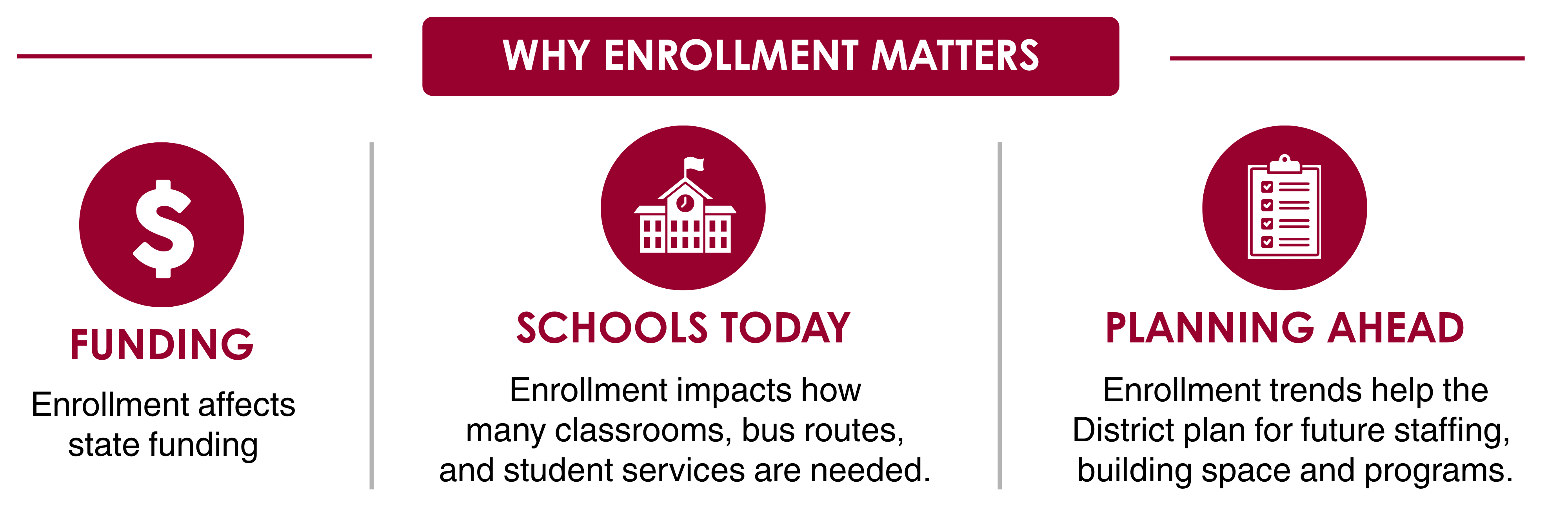
.png)
Which Number Should We Use?
The right enrollment measure depends on what we are asking.
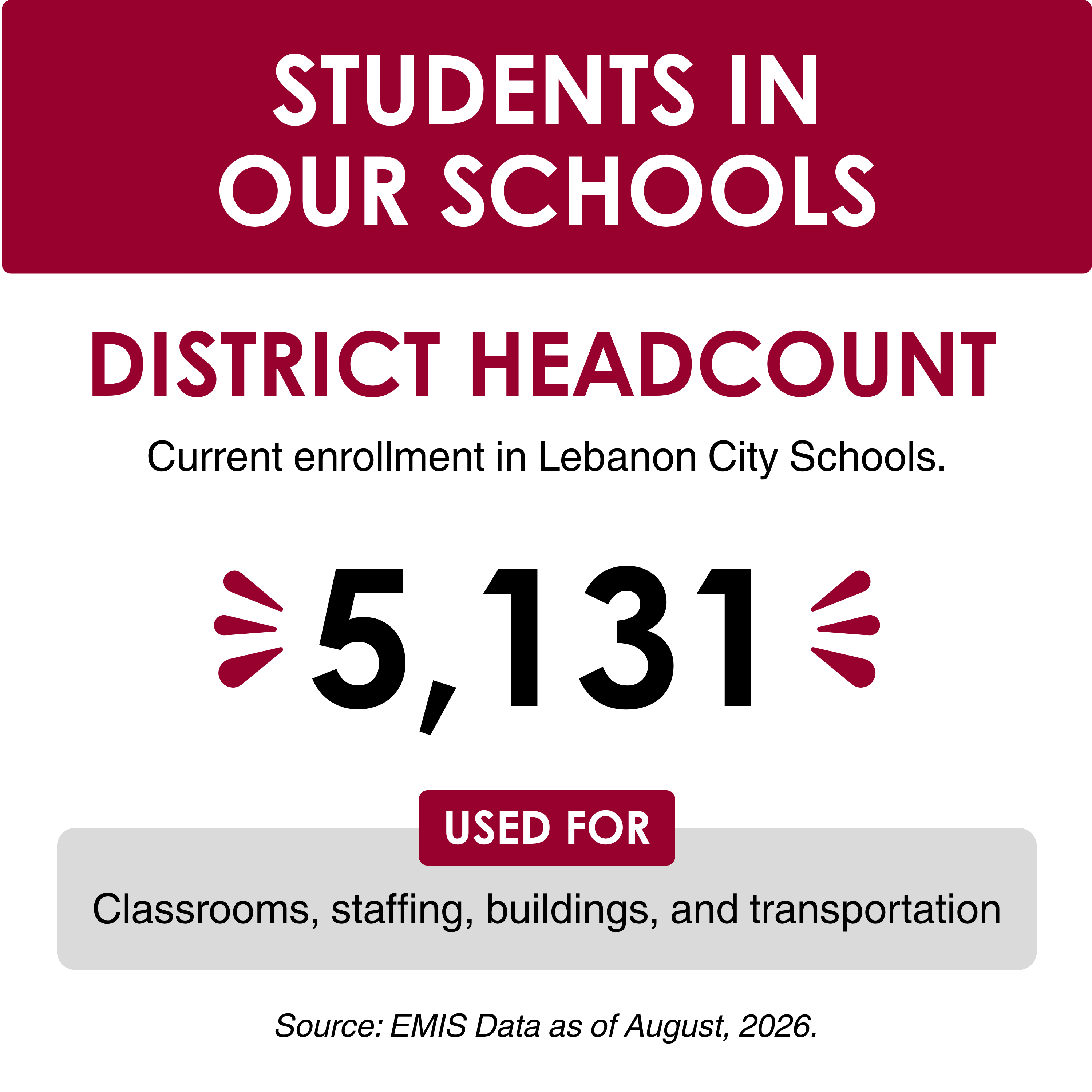
District Headcount
How many students are enrolled in Lebanon City Schools?
This is the most straightforward way to view enrollment. Student counts can change throughout the school year as students enroll or leave the district.
This count helps the district plan for classroom needs, staffing, buildings, transportation, meals, and student services.
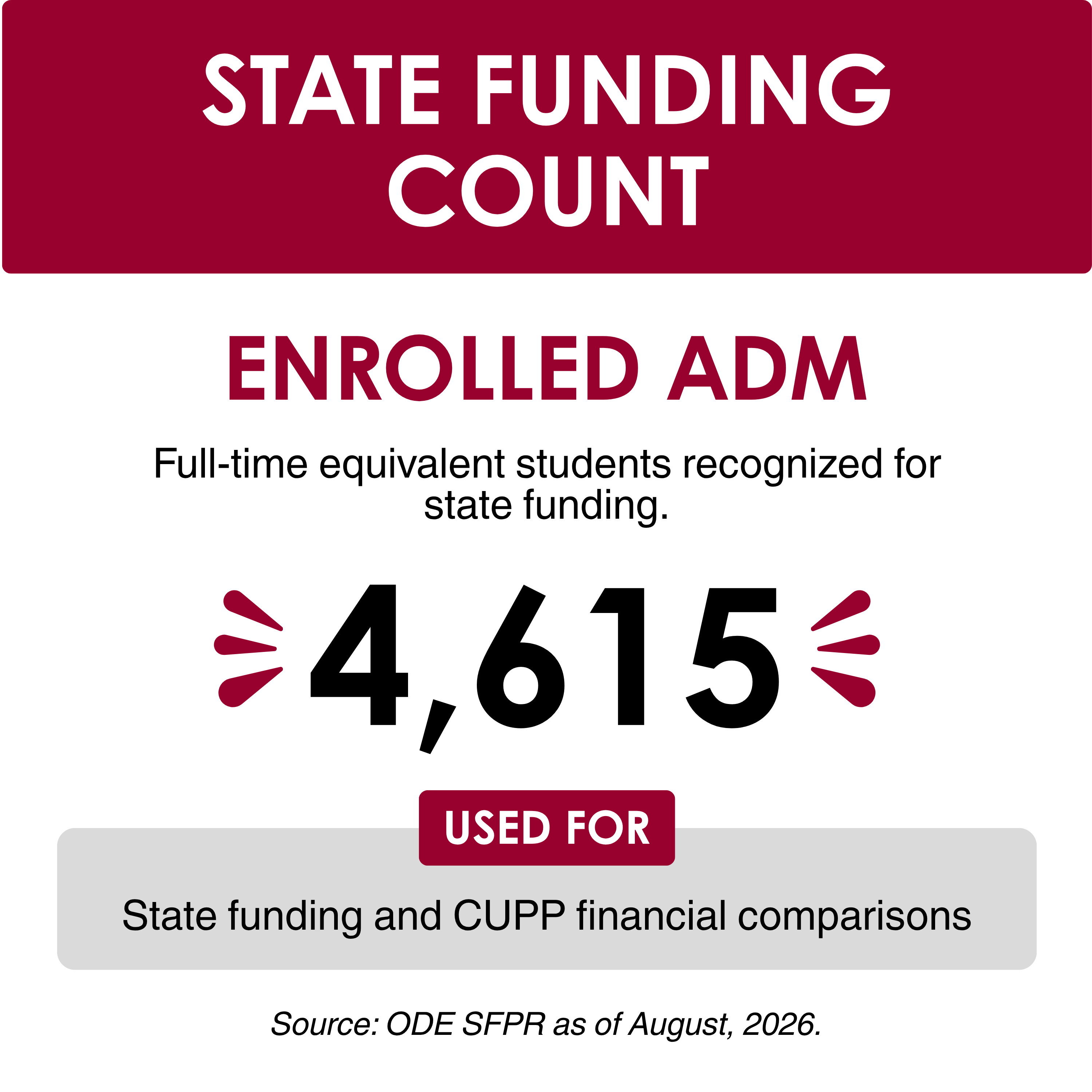
Enrolled Average Daily Membership (ADM)
What student count is used for state funding?
Ohio uses Enrolled ADM to help determine state funding and compare school district finances. Rather than simply counting each student, ADM measures enrollment in full-time-equivalent amounts. As a result, the ADM figure may differ from the total number of individual students enrolled in Lebanon City Schools.
This measure supports state funding, district-to-district financial comparisons, and per-student financial reporting.
Good to Know: ADM does not represent the average number of students who attend school each day.
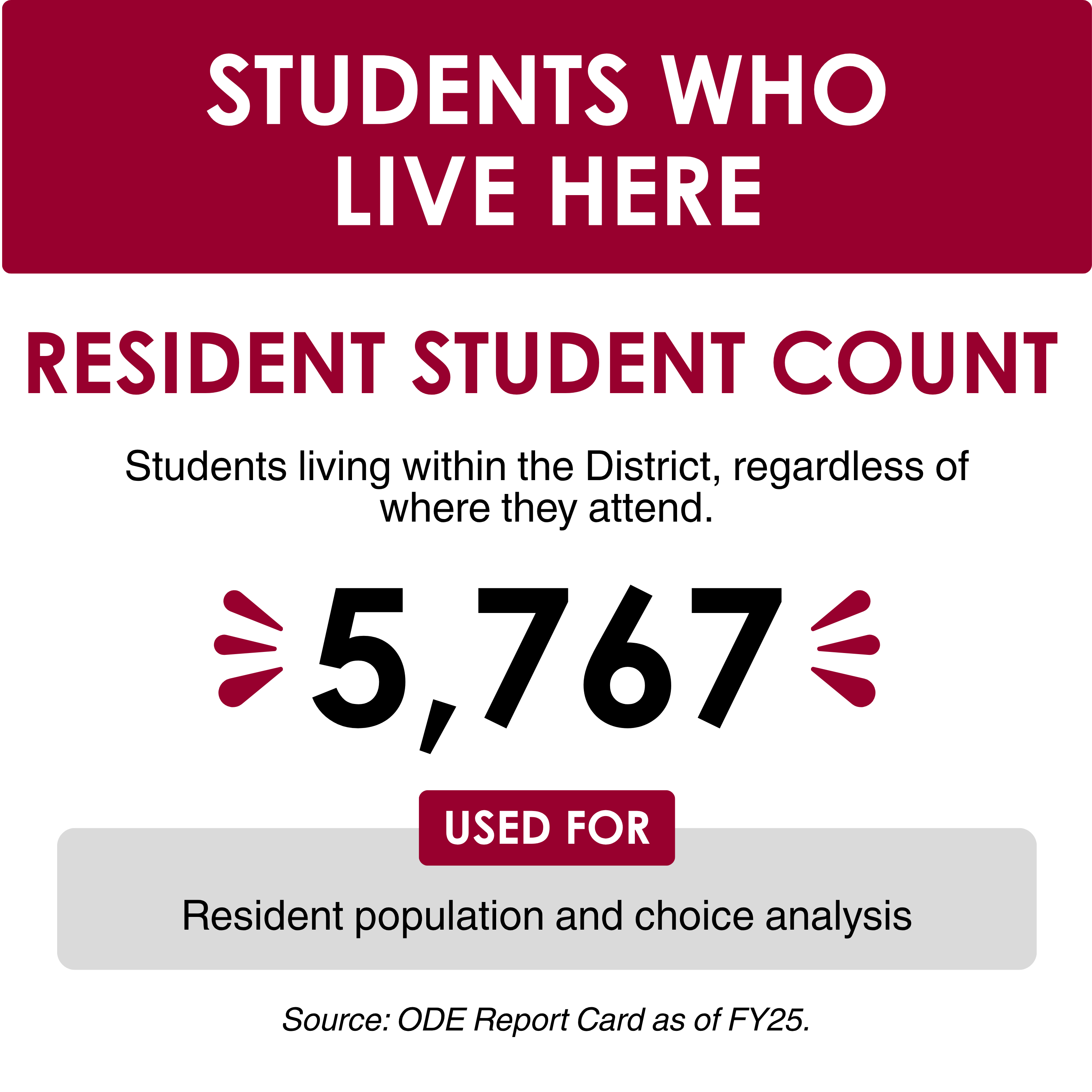
Resident Student Count
How many students live within the District?
This measure starts with where a student lives, not where the student attends school. It includes public-school students who live within Lebanon City School District boundaries, even if they attend another district, a community school, a joint vocational school, or another eligible educational setting.
This count helps show how many public-school students live within the District and where they attend school.

October Fall Headcount
How can we compare enrollment from year to year?
Sometimes, the most useful number is not today’s exact enrollment, but a consistent measure we can compare from year to year. Ohio’s fall enrollment count provides a standard point in time for looking at enrollment over multiple years and comparing districts across the state.
This measure is used for year-to-year enrollment trends and statewide comparisons.
Why Does the Enrollment Number Change?
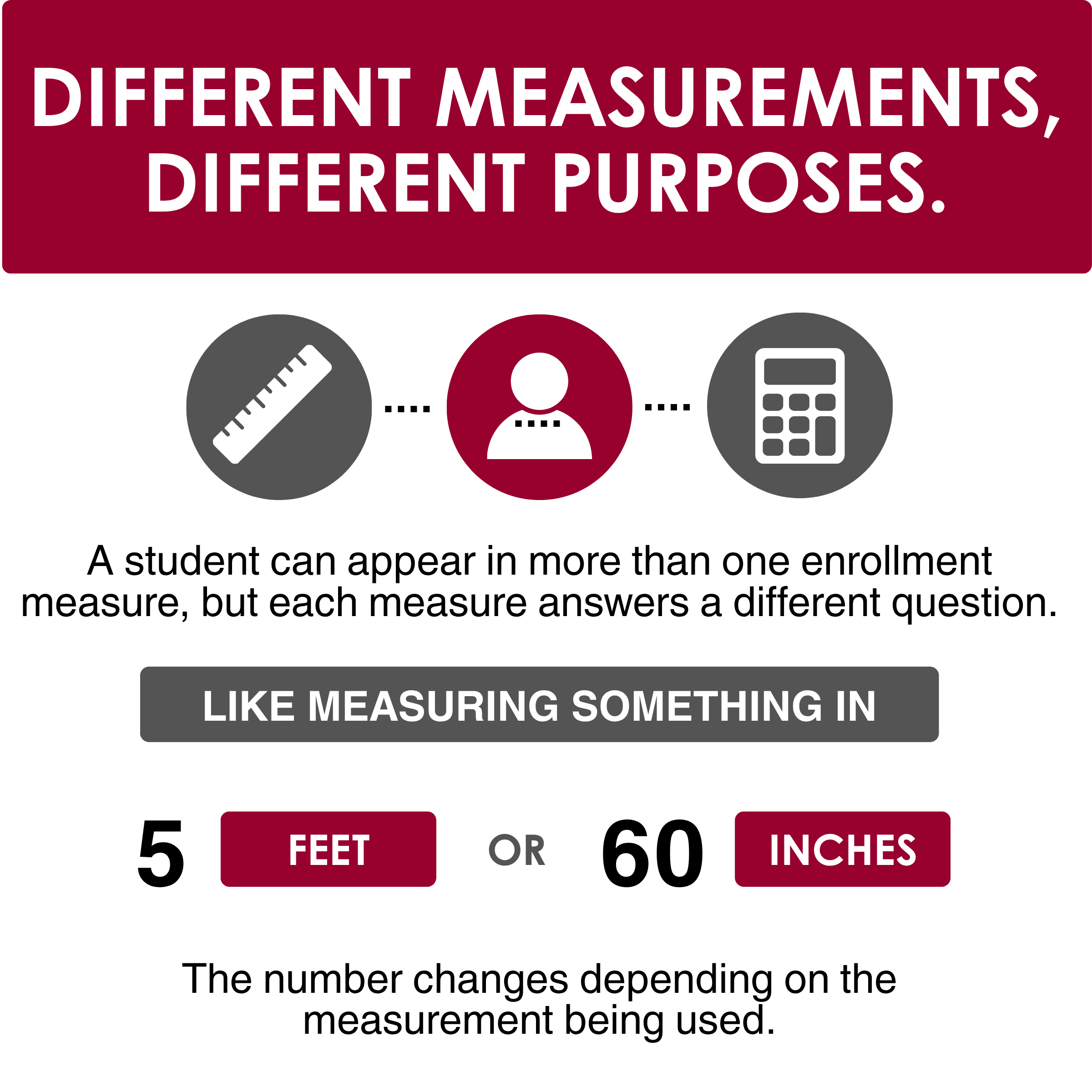
A student can appear in more than one enrollment measure, but each measure answers a different question.
It's similar to measuring something in feet or inches. The number changes depending on the measurement being used.
Enrollment data works the same way.
When we look at enrollment trends, we use the same type of student count from the same general point in time whenever possible.
.png)
What Happens When Enrollment Changes?
Enrollment matters, but changes in enrollment do not automatically translate into the same change in District costs.
A decrease in total enrollment does not automatically mean that a teacher, bus route, classroom, or building can be eliminated.
Students are spread across different grades, schools, classes, and programs. Staffing and other operations may change when enough students leave the same area to affect a class, service, route, or other need.
Enrollment may change without an immediate one-for-one change in operations.
For example:
- A few fewer students in each grade may not eliminate a classroom.
- A bus route may still be needed even with fewer students riding it.
- Buildings, utilities, and maintenance are still needed.
- Most daily operations continue even when enrollment changes.
.png)
What Happens to State Funding When Enrollment Changes?
Enrollment also matters because it is one part of the information used in Ohio's school funding system.
Ohio's funding formula considers both the number of students and their needs.
This means a change in enrollment can affect state funding, but the amount gained or lost is not necessarily the same dollar amount for every student.
Frequently Asked Questions
Why does the District show a different enrollment number than the CUPP Report?
The District usually counts the actual number of students enrolled in our schools. The CUPP Report uses ADM, a state calculation used mainly for funding and financial comparisons.
Does ADM mean average daily attendance?
No. ADM is not simply the average number of students who come to school each day. It is a state calculation based on student enrollment.
Does the District lose state funding when enrollment goes down?
Generally, yes. However, the amount does not change by the same dollar amount for every student. Ohio’s funding formula looks at several factors, including the number of students and their needs.
Why can’t the District reduce a teacher every time enrollment drops by a certain number of students?
Because students are spread across different grades, schools, classes, and programs. Staffing can usually be reduced only when enough students leave the same area to combine or eliminate a class or service.
If enrollment goes down, why does the District still need the same buildings?
Building needs depend on where students attend school, how much classroom space is needed, what programs are offered, and expected future enrollment. The total number of students is only one part of the picture.
Does lower enrollment mean there is less work for the District to do?
Not always. Schools still need transportation, technology, safety, financial work, student services, reporting, instruction, and other daily operations even when enrollment changes
How does the District estimate future enrollment?
The District looks at past enrollment, current registrations, birth and housing trends, students moving in and out, grade-level changes, and professional enrollment projections when available.

Our Commitment to Transparent Data
Lebanon City Schools is committed to presenting enrollment information clearly and consistently.
For more information, refer to these additional resources:
- Ohio District Profile (CUPP) Reports
- Ohio fall enrollment data
- District financial forecasts
- District enrollment reports or projections
- Ohio school funding resources
- Superintendent Presentation Spring 2026
Enrollment data changes frequently. Please note that student counts are periodically updated, but not generally in real time.